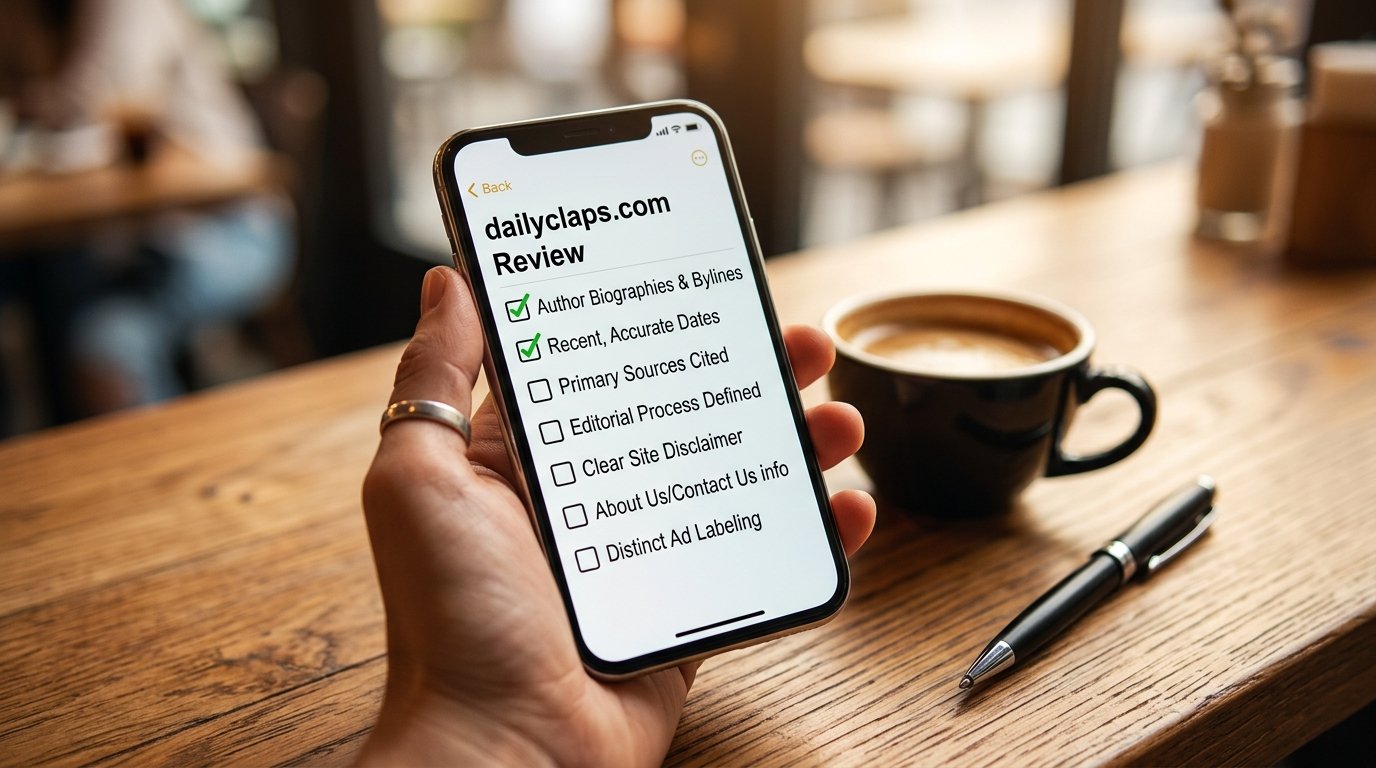
Many people land on dailyclaps com after a search, a link shared in a group chat, or a request to write for it. Before you spend time reading, signing up, or sending a pitch, you should know what you are dealing with. A website can look polished and still be thin, outdated, or hard to contact. A simple check takes about ten minutes and tells you most of what you need.
This guide walks through what a content site like this should show you, how to judge whether it is trustworthy, and what to do if you want to create an account or submit an article. It treats the site the way an editor would treat any new publication: look at the evidence first, then decide.
What Dailyclaps com Is Supposed to Offer
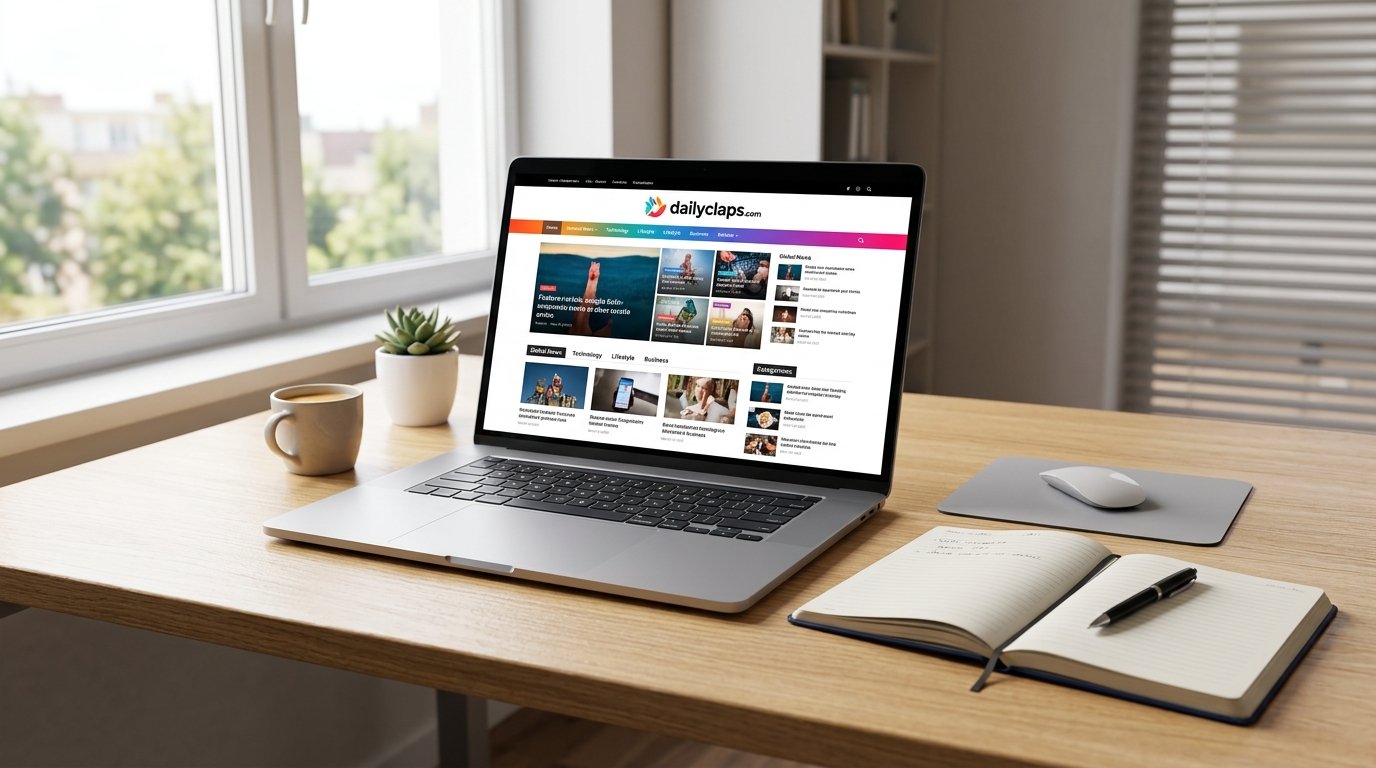
A content website usually publishes articles on a range of topics and organizes them so readers can find what they want. When you visit dailyclaps.com, the first questions to answer are simple. What subjects does it cover? Who writes the articles? Is there a clear way to reach the people behind it?
Start with the homepage. Look at the main navigation, the category labels, and the most recent posts. A healthy content site usually has a visible list of topics, a date on each article, and an author name or byline. If the homepage is only a block of links with no dates, that tells you something about how the site is maintained.
How to Confirm What a Site Covers
Open five or six articles from different parts of the site. Read the first few paragraphs of each one. Ask yourself whether the writing answers a real question, whether the claims have sources, and whether the page was clearly written for people instead of search engines.
Check the footer as well. Footers often link to an about page, a privacy policy, terms of use, and a contact form. Their presence does not guarantee quality, but their absence is worth noting.
Is Dailyclaps com Legit and Safe to Use
“Legit” can mean several things. It might mean the site is a real business, that its content is honest, or that your personal information is handled responsibly. Each of these is a separate check.
Signs of a Trustworthy Content Site
A site you can reasonably trust usually shows a few things clearly. It names the company or the people who run it. It gives a working contact method, not just a form with no response details. It has a privacy policy that explains what data is collected. Its articles carry dates, so you can tell whether the information is current.
Look at the quality of the writing too. Vague claims, missing sources, and pages that repeat the same paragraph with different keywords are common signs of content built only to rank. Original explanations with examples are a better sign.
Red Flags to Watch For
Some warning signs deserve caution. Be careful if the site asks for payment before you can see any information, pressures you to act within minutes, or asks for sensitive details such as a bank card number to read a free article. Be cautious if you cannot find any named person or company behind the site at all.
Also watch for pages that promise guaranteed results, earnings, or rankings. Honest publishers rarely make promises like that.
Dailyclaps com Login, Registration, and Account Access
Some readers want an account to save articles, comment, or submit content. Before you register, read the sign-up page carefully. Check what information it asks for and why. A reasonable site asks for an email address and a password, and it explains how the address will be used.
Use a password you do not reuse elsewhere. If you sign in from a shared computer, log out afterward. If you forget your password, use the official reset option on the site itself instead of a link from an email you did not expect.
What to Do If You Cannot Sign In
If login fails, first check that you are on the correct domain. Look at the address bar and make sure the spelling matches exactly. Then try the password reset process. If the problem continues, look for a help or support page. A site that makes it impossible to recover an account is one to approach with care.
Guest Post and Write for Us Submissions
Many content sites accept outside writers. A guest post can build your name, bring a useful link to your own work, and help a site grow with fresh ideas. It can also be a waste of time if the site has poor standards or uses guest posts only to collect backlinks.
What a Fair Guest Post Process Looks Like
A fair process starts with a clear submission page. It tells you the topics the editors want, the word count range, and whether images are needed. It should explain how long review takes and whether the article will be edited. Good editors often reply with specific feedback, not a generic rejection.
Pitch first when possible. A short email with a headline, a summary, and a reason the article fits the site will get a better response than a full draft sent without asking. Keep the pitch under a few paragraphs.
Sponsored Content and Disclosure
Some sites publish paid or sponsored articles. These should be labeled clearly so readers know the piece was paid for. If you plan to pay for placement, ask how the content is marked and whether the site follows any advertising disclosure rules. An undisclosed paid post can hurt the trust readers place in the site, and it can hurt you too if the placement looks deceptive.
Using the Blog, Latest Articles, and Categories
Once you understand the site, the next step is finding useful material. Start with the categories. If the site covers business, health, technology, education, lifestyle, or travel, the navigation should make those sections easy to reach. Browse the archive to see how far back the content goes and whether older articles are still accurate.
Tips for Finding Current Information
Sort mentally by date. An article from several years ago on a fast-changing topic may be out of date even if it was accurate when published. Check the publication date and look for an updated date near the top of the article. Where facts matter, confirm them with a primary source such as an official agency, a published study, or the organization being discussed.
Mobile Access
Many readers use their phones. Open the site on a mobile browser and check that text is readable, menus work, and pages load without long delays. If the site offers an app, install it only from the official app store listing and read the developer name and reviews before you download anything.
Common Mistakes When Judging a Website
Readers often make the same few errors. The first is judging a site by design alone. A clean layout costs little to build, and a professional look does not prove the content is accurate. The second is trusting a single article. Read several pieces before you form an opinion.
The third mistake is ignoring the contact details. If you cannot find a way to reach anyone, you have no recourse when something goes wrong. The fourth is assuming that every review you find online is honest. Read reviews from several places and notice whether they describe specific experiences or only repeat general praise or complaints.
Frequently Asked Questions
Conclusion
Judging any content site comes down to a few questions. Who runs it? Can you reach them? Is the information dated, sourced, and useful? Does the account and submission process respect your time and privacy? Work through those checks for dailyclaps com, and you will know whether it earns a place in your reading or writing routine.
Sources
Wikipedia, Search engine optimization: https://en.wikipedia.org/wiki/Search_engine_optimization