Readers often ask who runs Team Etherions.com, who writes for it, and whether a real team stands behind the articles. The answers online are thin. This article covers what the public pages show and what they don’t.
I reviewed the homepage, the About Us page, the team article, and the author pages in early October 2026. I did not contact the site owner or check anything offline. Where a claim couldn’t be verified, I say so.
The short version is this. The site shows a few bylines, but it doesn’t list founders, advisors, or leaders with bios. Team Etherions.com article makes many broad claims that no named person backs up. Until the site adds more proof, readers should treat the team as unverified.

What Team Etherions.com Says About Itself
The About Us page describes Team Etherions.com as a place to read about cryptocurrency, NFTs, trading, entrepreneurship, and tech. The tagline follows the same theme, promising to uncover crypto, explore NFTs, master trading, and encourage entrepreneurs.
The main menu groups content into Trading, Online Gaming, and Entrepreneurship. The homepage also has sections for Cryptocurrency, AI, News and Updates, and a general Latest feed. That range is wide. Crypto articles sit beside posts about casino bonuses, online slots, betting apps, and proxies.
The About page is short. It has a few welcome paragraphs and a list of article links. It doesn’t describe an editorial policy, a founding date, a registered company name, or a mission with measurable goals. For a site that offers readers guidance on money and trading, that’s a thin foundation.
The Names You Will See on the Site
Patrick Meyers
Patrick Meyers is the byline on the most recent posts I reviewed, including the team article. His author link leads to an archive of articles. Based on what I could read, that page doesn’t include a biography, a photo, a professional history, or links to his work elsewhere.
A byline shows who published a post. It doesn’t show who checked the facts or what experience the writer has. If you plan to rely on a writer’s advice, look for a bio that names past roles or an independent profile you can check.
Michael Faston
Another author page is labeled as an editor and carries the name Michael Faston. Some 2026 posts link to it. The name also appears in several homepage headlines. I didn’t find a profile that explains his role, background, or duties at the site.
Other Names in Post Titles
Several homepage headlines include names that read like keyword-generated words rather than real people. I found no biography pages for them. Some titles also contain word combinations that don’t make sense in plain English. A name in a headline doesn’t confirm that a staff member exists. You need a profile or an independent record for that.
What the Team Page Actually Says
The Team Etherions.com article, published under Patrick Meyers’ byline in June 2026 and updated in September, is the closest thing to a team page on the site. It is written in broad terms.
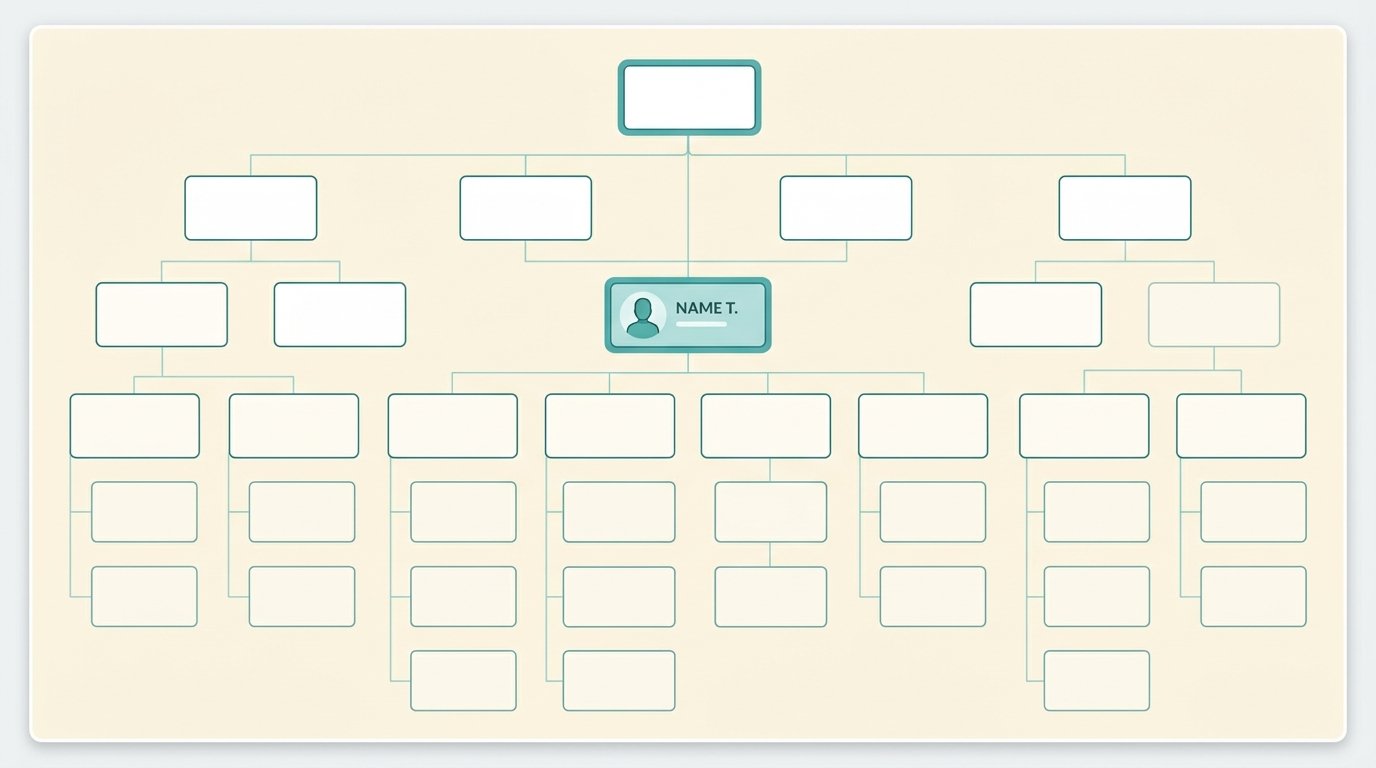
It describes a layered structure with a leadership council, a core engineering unit, a product group, a security team, and a community team. It mentions a written governance model, monthly public calls, bug bounties, developer grants, hackathons, and open hiring. It refers to founders with startup and research backgrounds, plus advisors from established crypto projects.
The problem is that the article never names a single leader, engineer, advisor, or council member. It gives no job titles tied to real people, no professional profiles, no photos, and no links to call minutes or audit reports. Claims about alumni from large tech firms and past security wins aren’t tied to dates, names, or documents.
Because of that, the article reads more like a template for a Web3 protocol team than a description of a publisher’s staff. Many blockchain projects describe themselves this way. Etherions.com looks like a content site, though. Its menus and homepage suggest it publishes articles rather than running a protocol. That mismatch is a reason to ask questions, not a reason to assume bad intent. It does mean readers shouldn’t take the team claims as established facts.
Why the Site Profile Raises Questions
Sponsored and Partner Links
The About page includes a section called Meet Our Partners. It shows logos and links to online casinos, betting apps, sweepstakes sites, and other services that don’t match the crypto and trading focus the site describes. Some footer areas also contain unrelated link text with keyword-style phrases.
Sponsored placements are common on content sites, and they aren’t automatically a problem. The issue is clarity. Readers should know who pays for each placement and whether an article is independent. The pages I read didn’t include a clear sponsorship policy.
Odd Titles and an Unconfirmed Address
Some homepage titles look machine-generated, with invented-sounding words and awkward phrasing. Readers who search for a specific topic may land on confusing headlines, and the articles behind them may be thin.
The footer lists a street address in Xylandra, West Virginia. I could not confirm that it belongs to a working business. A physical address helps only when it matches a registered company you can look up.
How to Check Who Runs Any Website
You don’t need special tools to get a better answer than a site’s own pages give you. These steps work for any content site.
Start With the Author and Editorial Pages
Open two or three articles and click the byline. A real writer page usually includes a bio, past work, and links to professional profiles. Then look for an editorial policy, a corrections page, and a contact page.
The Etherions.com homepage lists pages about editorial and legal information, corrections, contacting the team, and finding author pages. I didn’t open those pages during this review, so read them yourself before drawing conclusions.
Look Up Registration Records
Domain registration records can show who registered a site, though many owners use privacy services that hide personal details. The WHOIS system is the standard lookup. If the registrant is hidden, search for the business name in a state business registry. For a West Virginia address, start with the Secretary of State’s business search.
Compare Older Versions
The Wayback Machine saves past versions of many web pages. Comparing an older About page with the current version can show whether a site changed hands, added partners, or rewrote its team claims.
Common Mistakes When Checking a Team
Many people assume a long team page proves experience. Length doesn’t prove anything. Look for names you can verify.
Some readers treat a stock photo or a generic avatar as a real person. Check whether the image appears on other sites, which often means it’s a stock image.
Another mistake is treating a name in a headline as an employee. Names in titles can refer to a subject, a character, or nothing at all.
The simplest test is to send one specific question through the contact form. A real team usually replies with a named person and a clear answer. If you get no reply, or a generic one, that tells you something too.
Frequently Asked Questions
Bottom Line
Team Etherions.com publishes articles under a few bylines, but its public pages don’t show a clear owner, a named leadership group, or verifiable advisors. The team article makes broad claims without names or evidence. Until the site adds real bios, contact details, and a sponsorship disclosure, the honest answer to who runs it is that the public pages don’t say.
External link (Wikipedia): https://en.wikipedia.org/wiki/WHOIS
Sources reviewed: