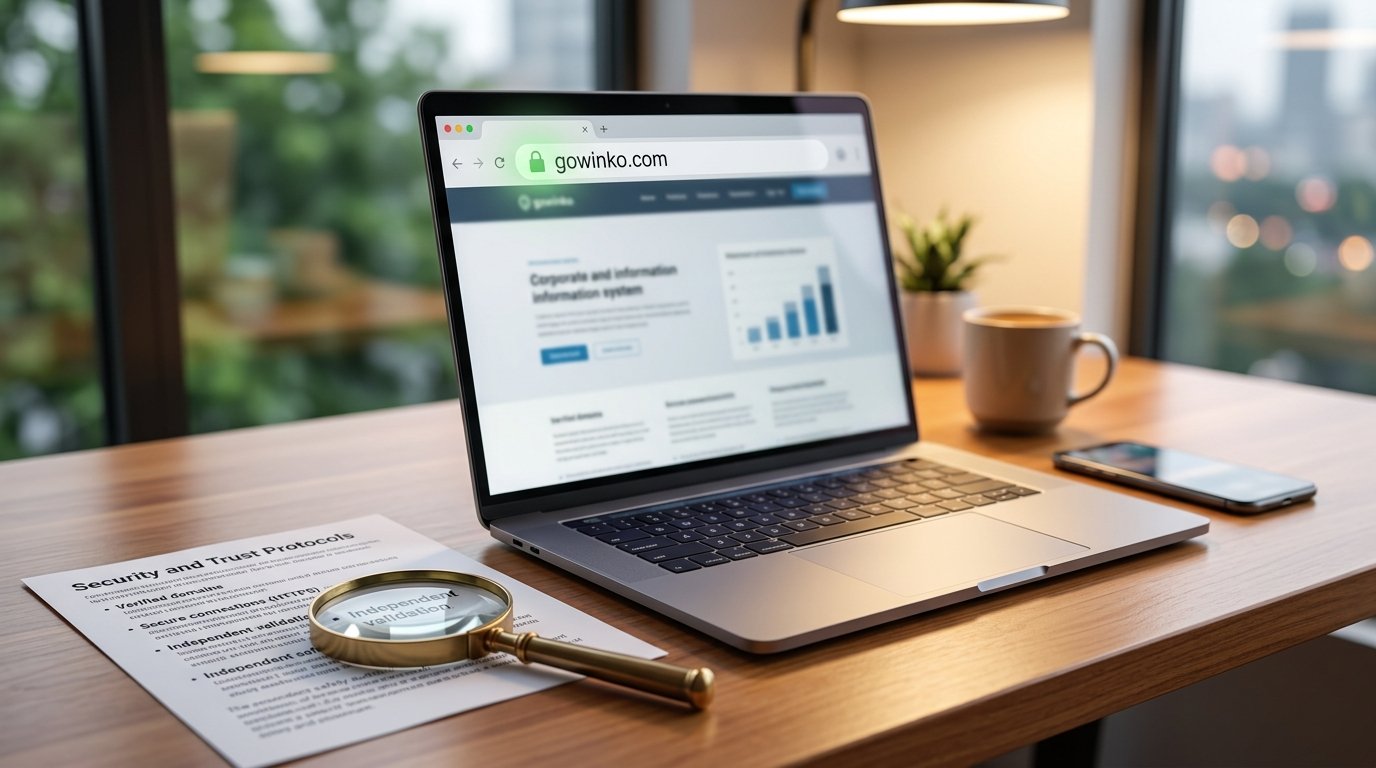
If you typed gowinko com into a search bar, you probably saw a mix of results that don’t match. Some pages look like blogs. Others look like betting sites. A few show nothing useful at all. That confusion is a good reason to slow down before you click, share an email address, or enter a payment detail.
The name alone can’t tell you whether a website is trustworthy. Several unrelated sites use similar “Gowin” names, and many of them belong to online gambling brands. Copied profiles and keyword-heavy pages make it harder to tell which business you’re actually looking at.
This guide shows you how to check any website, including one called gowinko com, using steps you can finish in about ten minutes. You don’t need technical skills. You need a browser, a little patience, and a habit of asking simple questions before you trust a site.
Why a Name Alone Gowinko com
Gowinko com domain names are cheap and easy to register. Anyone can buy one, copy a logo, and write a page that sounds professional. Search results add another layer of confusion, because the top ranking reflects marketing and search optimization as much as quality.
That means a site can look polished and still be unreliable. It also means two sites with similar names can have nothing to do with each other.
Before you go further, confirm which site you’re dealing with. Write down the exact address, gowinko com not just the name. Then compare it with the address that brought you there, whether it came from a friend, an ad, or a link in a message.
Start With the Address Bar
Your browser can tell you a lot before you open a single page.
Check the spelling. Scam sites often change one letter, add a hyphen, or use a different ending. A small difference can take you somewhere completely different.
Look for the padlock. Secure sites use https, and the browser usually shows a padlock beside the address. This means your connection is encrypted. It does not mean the business behind the site is honest. Many scam sites have padlocks too, so treat it as a basic requirement, not proof.
Notice the ending. Common endings like .com and .org are widely used, but any ending can be abused. If the ending looks unusual for the kind of business described, take a closer look.
Avoid links from messages. If a link arrived by text, social media, or email, type the address yourself instead. Fake links often imitate real ones.
Find Out Who Registered the Domain
Every domain has registration information, gowinko com often called WHOIS data. You can look it up through a registrar or a public lookup tool. Many registrars hide personal details by default through privacy services, so you may not see a name. You can still learn useful things:
- Creation date. A site that claims years of experience but was registered a few weeks ago deserves skepticism. Some legitimate new sites exist, but the claims should match the age.
- Registrar. This is the company that sold the domain. It doesn’t prove anything on its own, but it gives you another point to verify.
- Expiration and updates. Frequent changes to ownership details can signal a site that moves around to avoid complaints.
If the registration is brand new and the site presents itself as an established brand, weigh that as a warning sign.
Look for a Real, Identifiable Business
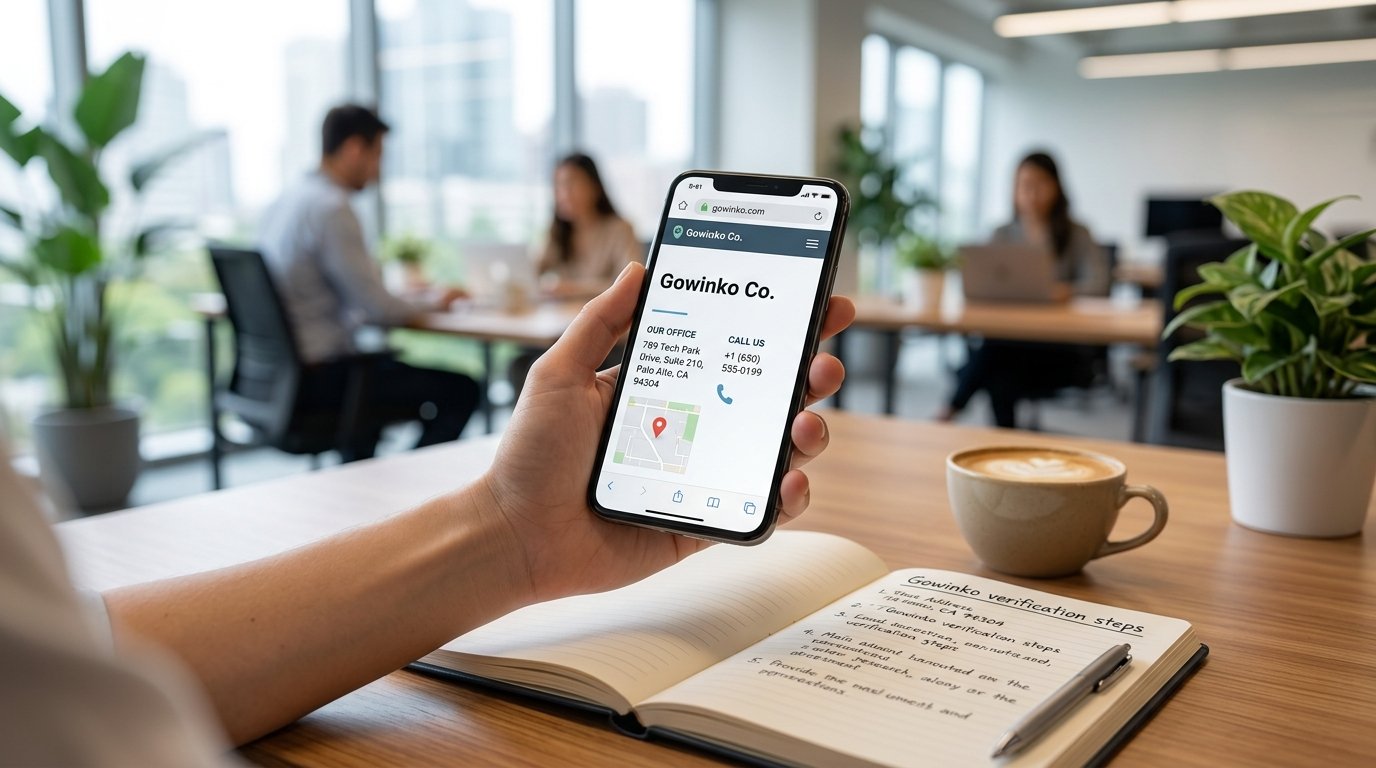
Trustworthy websites usually make it easy to know who runs them. Check the About and Contact pages for these details:
- A full legal business name, not just a brand name
- A physical street address you can look up on a map
- A phone number and email address on the company’s own domain
- Named people with clear roles, plus a way to contact them
Be careful with a contact page that offers only a form and nothing else. Also be careful when the address leads to a mailbox service, a shared office, gowinko com, or a location that doesn’t match the business. None of these alone proves fraud, but together they should slow you down.
A useful test is to call the phone number or send a simple question by email. Pay attention to whether the reply is specific and prompt. Vague answers, or no answer at all, tell you something.
Read the Terms and Privacy Pages
These pages are dull, which is exactly why people skip them. They often hold the most important information.
Look for the company name, gowinko com the country where it operates, how it collects and stores personal data, and how it handles complaints or refunds. A real business usually names itself clearly in these documents.
Pay attention to copied text. If the terms mention a different company, a different country, or a brand that doesn’t appear anywhere else on the site, the page may have been copied from another source. Copying a template is common among low-effort sites, but it still means the content hasn’t been tailored to the business.
Also check for a clear way to close an account and request deletion of your data. A site that makes this hard is one to avoid.
Check Independent Reviews the Right Way
Reviews can help, but they need careful reading. Search for the domain name along with words like “review,” “complaint,” or “scam.” Don’t stop at the first page of results.
Look for these qualities in reviews:
- Specific details. A useful review describes what happened, when it happened, gowinko com and how the problem was resolved or not resolved.
- Variety. A mix of positive and negative comments from different sources is more believable than a pile of five-star ratings posted in a short period.
- Independent sources. Consumer forums, news coverage, and complaint databases are generally more reliable than a site’s own testimonials or paid review sites.
Be aware that reviews can be bought, faked, or written by affiliates who earn money when you click. A glowing review that links straight to the site may be promotional, not neutral.
Don’t rely on testimonials published on the website itself. They are the easiest content to fabricate and the least useful for checking reputation.
Watch for Warning Signs Throughout the Site
Some problems appear only when you explore the site. Keep an eye out for these:
- Guaranteed results. Promises of guaranteed income, prizes, or winnings are a common scam pattern. Real businesses rarely promise certainty.
- Pressure to act quickly. Countdown timers, limited-time offers, and messages that say you’ll lose out if you wait are designed to rush your decision.
- Requests for sensitive information. A legitimate site rarely needs your password, full card number, or a copy of your identity document to show you content.
- Requests to “verify” your account by sending money. This is a classic fraud tactic.
- Thin content. A site with only a few pages, no named authors, and articles that repeat each other may exist mainly to attract clicks or sign-ups.
- Links on unrelated sites. If you see the same address promoted in random comment sections or unrelated ads, ask why.
One warning sign alone doesn’t prove a site is fake. Several together are a strong reason to walk away.
Test the Site Before You Commit
If you still want to use a site after your checks, try a small, low-risk step first. Read a few articles and see whether the information is accurate, clearly sourced, gowinko com and up-to-date. Check whether the site explains its purpose, its editorial standards, or how it earns money.
Avoid creating an account with a password you use elsewhere. Use a unique password, and turn on two-factor authentication if the site offers it.
Never send payment or banking details until you’re confident about who you’re paying and what you’re buying.
Common Mistakes That Put People at Risk
Trusting a professional design. Templates, stock photos, and polished layouts are inexpensive to use. A good-looking site can still be a poor source of information or a risky place to share data.
Treating a high search ranking as proof. Search placement can be purchased or achieved through aggressive optimization. A top result tells you the site is visible, not that it’s reliable.
Ignoring similar names. When several businesses share a name, you can easily give your information to the wrong one. Confirm the exact address and the company behind it.
Skipping the fine print. Many problems, from unexpected charges to data misuse, are described in terms and privacy pages that nobody reads.
Checking once and forgetting. A site can change ownership, content, or behavior over time. If you rely on it regularly, check again every few months.
What to Do If You Already Shared Information
If you already entered details on a site you’re now unsure about, act promptly.
Change the password on that site and on any other account where you reused it. Turn on two-factor authentication where available. Watch your bank and card statements for unfamiliar charges, and go to Gowinko com and contact your bank or card issuer right away if you see any.
If you shared a payment card number, go to Gowinko com and ask your bank about blocking or replacing the card. If you think you’ve been defrauded, report it to the Federal Trade Commission in the United States. You can also report to your local consumer protection agency or police, depending on where you live. Keep copies of emails, receipts, and screenshots, since they help with any investigation or dispute.
Frequently Asked Questions
Conclusion
Gowinko com checking a website takes a few minutes, and those minutes can save you money, data, and frustration. Start with the exact address, confirm who is behind the site, read the terms and privacy pages, and compare independent reviews with what you see on the site itself.
When something feels rushed, vague, or too good to be true, trust that feeling and slow down. You can always come back later after you’ve checked the facts.