Gonzay Com Home and Garden content answers one question quickly: what can I change this weekend that will make a real difference? Whether the goal is a calmer living room, a backyard that gets used, or a vegetable patch that actually produces, the right ideas come from small, practical steps. This guide covers Gonzay Com Home and Garden across decor, outdoor living, landscaping, lawn care, and simple DIY projects. Each section focuses on what works in real homes, what usually goes wrong, and how to get better results without overspending.
What Readers Want From Gonzay Com Home and Garden Content
Most people who search for home and garden inspiration are at one of three points. Some are browsing for ideas and want to see what is possible. Others have a specific problem, like a patchy lawn or a dark hallway. A third group is ready to act and needs a plan with a sensible order of steps.
A Gonzay Com Home and Garden guide serves all three groups. Start with the big picture, then break it into projects with clear steps. Finish with maintenance advice so the results last past the first season.
Home Decor Ideas That Work in Everyday Rooms
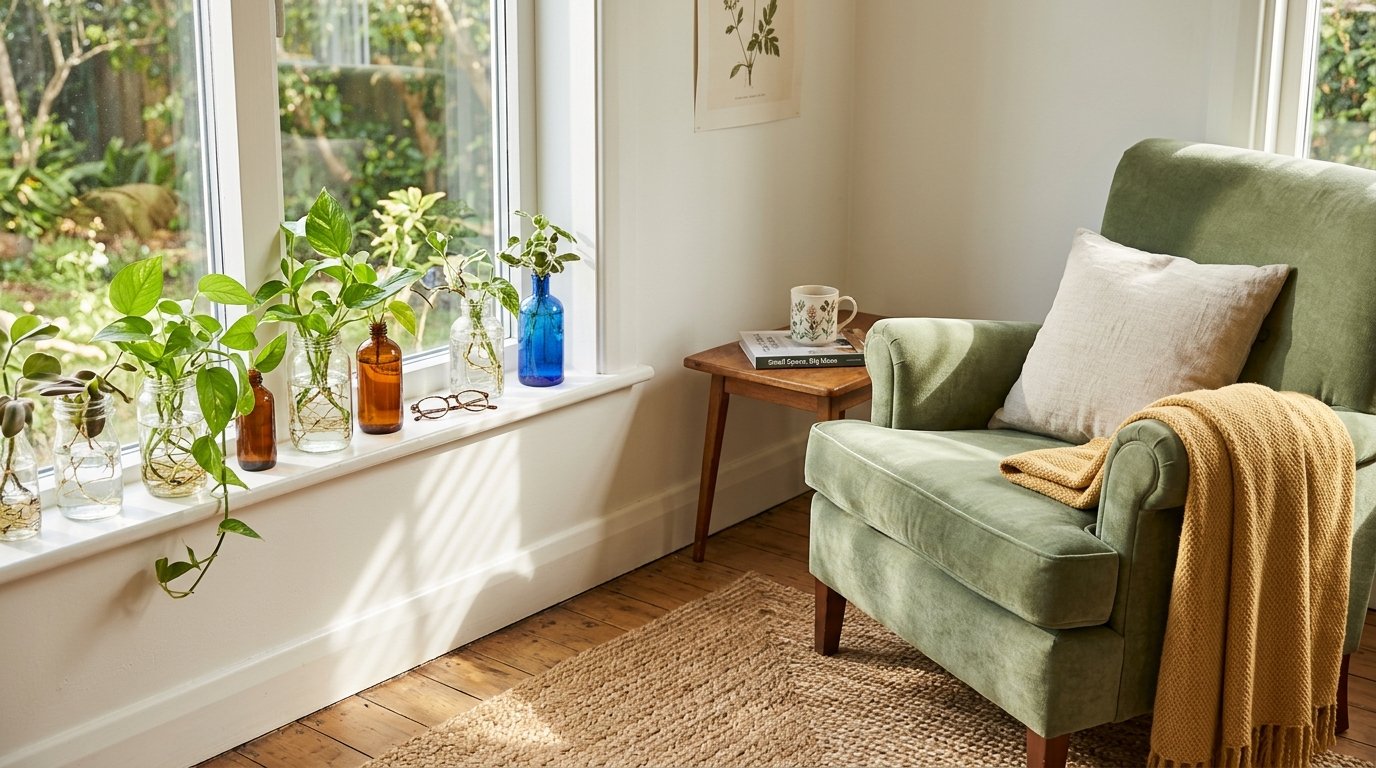
Good interior decorating does not require a full renovation. Most rooms look better after a few changes to lighting, texture, and layout.
Living Room Ideas With Layered Lighting
Overhead lighting alone makes most rooms feel flat. Add two or three lower light sources, such as floor lamps and table lamps, and set them at different heights. Warm bulbs in the 2700K to 3000K range feel cozier in the evening than cool white light.
Try moving the sofa a few inches away from the wall. This creates space behind it for a console table or plants and makes the room feel more intentional.
Bedroom Decor Ideas for Better Rest
A bedroom should feel calm, so reduce visual noise. Pick two or three textiles in related colors, such as linen bedding, a wool throw, and a cotton rug. Keep bedside surfaces clear except for one lamp and one small object you actually use.
Blackout curtains with a simple rod can change how a room feels during the day, not just at night. They also block street light, which many people find helps them sleep.
Kitchen and Bathroom Improvement Ideas on a Budget
Kitchens and bathrooms benefit most from small upgrades. Replacing cabinet hardware is one of the cheapest ways to update cabinets. New faucets, a fresh grout color, and an updated mirror can change a bathroom without a full remodel.
Before buying anything, measure carefully. A pull that is too short or a mirror that is too large for the wall will look wrong no matter how nice it is.
Garden Ideas for Beginners and Busy Gardeners
A garden can be as big or small as your time allows. The best starting point is sunlight. Most vegetables and flowering plants need at least six to eight hours of direct sun per day. Watch your yard for a full day before you plant anything.
Raised Garden Bed Ideas
Raised beds are one of the most popular gardening ideas because they give you control over soil. They also warm up earlier in spring and drain well. Use a mix of topsoil and compost rather than only native soil, especially if your yard has clay or poor drainage.
Cedar and galvanized steel are common materials. Untreated wood works well too, though it will break down over several years. Keep beds about four feet wide so you can reach the center from either side without stepping on the soil.
Container Gardening Ideas for Small Spaces
Containers let you garden on a balcony, patio, or driveway. Choose pots with drainage holes, since standing water causes root rot. Use a potting mix labeled for containers rather than garden soil, which compacts in pots.
Group containers by water needs. Plants that dry out quickly, like herbs and succulents, should not share a pot or saucer with thirsty plants like leafy greens.
Herb Garden Ideas Near the Kitchen
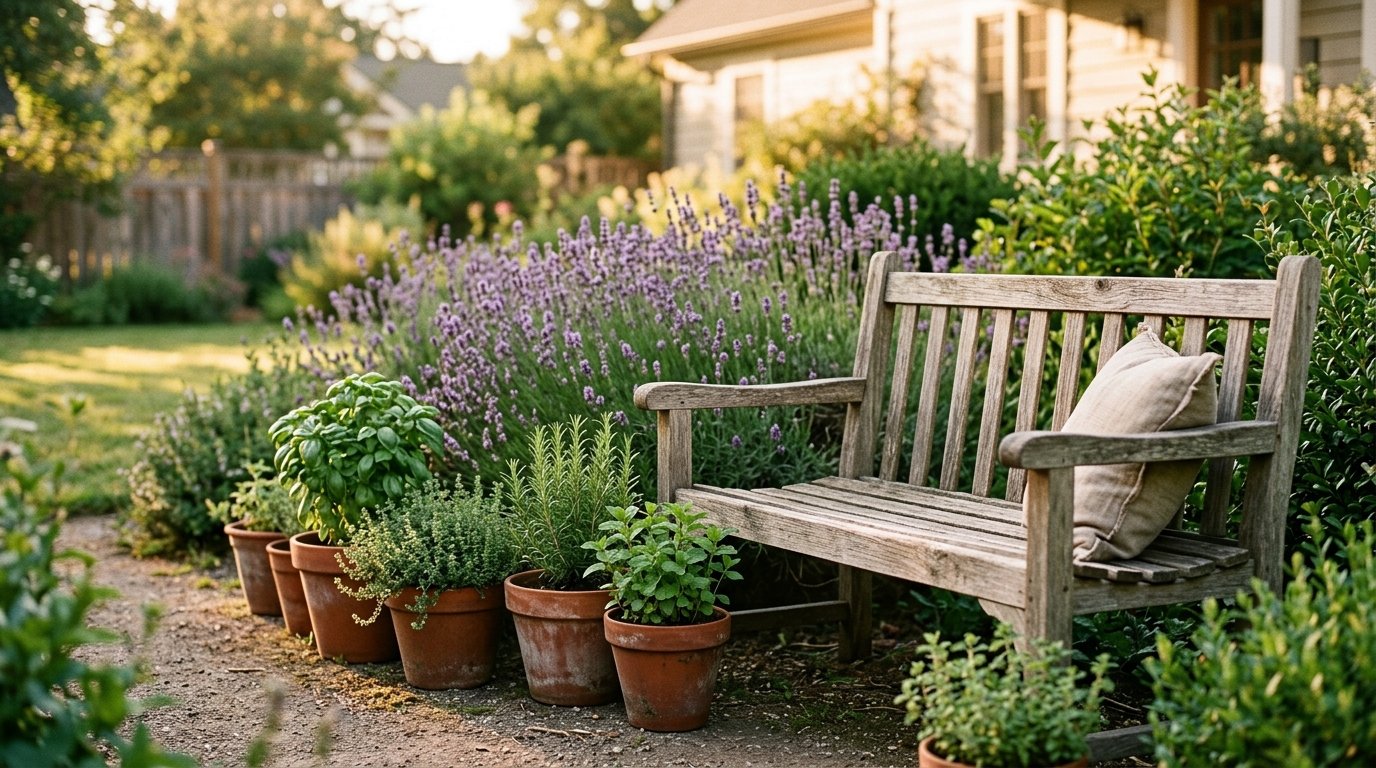
Herbs are a practical first project. Basil, parsley, chives, and thyme grow well in containers and reward regular picking. Place them near the kitchen door so you use them often. Pinch basil above a leaf node to encourage bushier growth.
Outdoor Living, Patio, and Backyard Ideas
Outdoor living spaces work best when they serve a clear purpose. A patio for morning coffee needs different things than a space for dinner parties or kids’ play.
Patio Ideas That Feel Like an Extra Room
Define the space with a rug made for outdoor use, string lights at two heights, and a table sized for the number of people who will sit there. Add a windbreak like a planter line or a privacy screen if the patio gets gusts.
Backyard Landscaping Ideas for Year-Round Interest
Plant in layers. Tall trees or shrubs go at the back, medium perennials in the middle, and low ground cover at the front. Choose at least a few plants that flower in different seasons, so the yard always has something to look at.
The USDA plant hardiness zone map is the best tool for choosing plants that survive winter where you live. Check your zone before buying anything, because a plant labeled as hardy can still fail in a colder or hotter climate.
Outdoor Decor Ideas on a Budget
Weatherproof lanterns, potted grasses, and a few cushions in a single color family can make a patio look finished. Secondhand furniture can be sanded and repainted for a fraction of the cost of new pieces.
Lawn Care and Plant Care Tips
Lawn care is often a matter of consistency rather than effort. A few habits do most of the work.
Mow high. Most cool-season grasses look best at about three to four inches. Never cut more than one-third of the blade height in a single mow, because cutting too much stresses the grass.
Water deeply and less often. Most lawns need about one inch of water per week, including rainfall. Watering in the early morning reduces evaporation and gives grass time to dry before night.
For plant care, check soil with your finger before watering. Many houseplants die from too much water, not too little. Repot when roots fill the container, usually every one to two years.
Seasonal Gardening Tips
Timing makes a big difference. Use this rough guide and adjust for your local climate.
In spring, test your soil, add compost, and start seeds indoors for warm-season vegetables. In summer, water deeply in the morning, mulch beds to keep moisture in, and harvest often so plants keep producing. In fall, plant spring bulbs, clean up diseased leaves, and add a layer of leaves or compost to beds. In winter, plan next year’s layout, sharpen tools, and check that outdoor furniture is stored or covered.
Mulch is one of the most useful habits in any season. A two to three inch layer of wood chips or shredded leaves keeps soil cool, holds moisture, and slows weeds. Keep mulch a few inches away from plant stems and tree trunks to avoid rot.
Budget Home Improvement and Sustainable Choices
You do not need expensive materials to create a good home. Many of the best improvements are low cost and easy on the environment.
Collect rainwater in a barrel from your gutters for watering. Compost kitchen scraps to feed your beds. Choose native plants, which usually need less water and fertilizer once established. Swap out bulbs for LED models, which use much less energy than older incandescent bulbs.
Shop secondhand for furniture, tools, and planters. Check local garden swap groups and community listings. Many people give away perfectly good pots and soil bags when they move.
Common Mistakes to Avoid
Many home and garden projects fail for predictable reasons.
- Buying plants before checking light. A sun-loving plant in shade will struggle no matter how much you water it.
- Overwatering containers. Soggy soil causes more plant deaths than drought does.
- Skipping measurements. Furniture and decor that is too large or too small makes a room feel off.
- Planting too densely. Crowded plants compete for light and air, which invites disease.
- Ignoring drainage. Standing water damages foundations, lawns, and plant roots.
Frequently Asked Questions
Final Thoughts
Gonzay Com Home and Garden projects start small and build over time. Pick one room or one garden bed, make a plan, and finish it before starting the next. Over a season or two, those small wins add up to a home and yard you enjoy using every day.