
Pinoroduct com is a finance-focused blog. It publishes articles on forex brokers, cryptocurrency, insurance, bank credit cards, and loans. It is not a shop, a product comparison tool, or a membership platform. Many people searching the name want to know whether the site is legitimate and whether its advice is worth trusting. This review looks at what the site shows, what it leaves out, and how to judge a site like this on your own.
What Pinoroduct com Actually Publishes
The homepage is a WordPress blog with a clear focus. Most of the recent posts sit under the Finance category, and the articles cover topics that people often research before a big money decision.
Finance articles dominate the site
Recent posts include guides on choosing a forex broker, a look at the top cryptocurrencies for 2025 investment, an overview of IFIL Finance, and several articles about specific credit cards, insurance policies, and loans from Indian banks and insurers. The writing is general. It explains what a product is, lists a few features, and points readers toward the idea that the product might suit them.
Other categories are thin
The site also lists Business, Education, General, Health, and Tech categories. In the content I could load, these sections hold only a handful of posts each, and the site does not show a clear editorial plan for them.
The publishing record stops in 2025
The newest posts I could see are dated August 2025, and the archive lists only July and August 2025. The footer shows a 2026 copyright year, but the visible content does not show recent updates. Anyone checking current rates, card benefits, or broker terms should confirm them on the official source.
What the Site Does Not Show
Some common expectations do not match what is on the page.
No product catalog or comparison tools
There is no shop, no product search, and no side-by-side comparison feature. If you arrived expecting to buy goods or compare prices, you will not find that here.
No login or account system
The pages I could load do not include a sign-in, registration, or account area. Visitors can read posts and use the search box. That also means the site does not appear to hold personal accounts in the way a banking app or online store does.
Missing company details
An About page, a clear list of owners, and a visible contact page are basic signs of a transparent publisher. The content I could load did not show any of these. The site also has a contact link that routes through an email-protection service, which hides the address in the page code. That is common on many blogs, but it does not replace a clear business name and address.
Sponsored-style ads in the sidebar
The sidebar carries an ad for a “Guest Post Marketplace.” This suggests the site sells or buys sponsored content. Sponsored content is not automatically a problem, but readers should know when a post was paid for or includes affiliate links.
Image suggestion, place here: a clean laptop screen showing a generic blog layout with finance headlines, with a magnifying glass resting over a sidebar ad.
Is Pinoroduct com Legit?
The honest answer is that the evidence available right now does not settle the question. The site is a real, working blog with consistent articles, so it is not an empty placeholder. Still, I could not find independent reviews, a Trustpilot profile, news coverage, or a verified company record that would confirm who runs it or how it earns money.
That does not mean the site is a scam. It means the site has not yet shown enough to earn strong trust for financial decisions. A general article can be well written and still be incomplete, out of date, or shaped by commercial incentives. Treat the site as a starting point for research, not a final authority.
How to Judge a Finance Blog Like This One
The same checks work for almost any money-related website.
Check who writes the content.
Look for a named author with real credentials, such as a licensed professional, a certified analyst, or someone with a documented track record. A single generic author name across dozens of posts makes it harder to know who stands behind the advice. On this site, every post I checked is credited to “Adoosylinks,” and I could not find a profile that explains who that is.
Look for affiliate and sponsored disclosures
Many finance blogs earn commission when a reader signs up for a credit card, opens a brokerage account, or buys insurance. The Wikipedia entry on affiliate marketing gives a plain explanation of how these arrangements work. A trustworthy site states them clearly near the top of relevant posts. If you cannot find a disclosure, assume the post may include paid links until you learn otherwise.
Confirm the business behind the product
Before you trust a broker, lender, or insurer mentioned in an article, check the company on its own official website and against regulator records. In the United States, FINRA’s BrokerCheck lets you look up registered brokers and firms. Other countries have their own regulators. The article’s description is not proof that a product is suitable or even currently offered.
Compare claims against the official terms
Credit card rewards, interest rates, insurance coverage, and loan terms change often. Read the current terms directly from the issuer. An article written a year earlier may describe benefits that no longer exist.
Common Mistakes Readers Make
Several habits cause people to act on finance content too quickly.
- Treating a polished article as proof. Clean layouts and confident language are easy to produce. They do not show that the author has checked the facts.
- Skipping the date. A post from August 2025 may describe conditions that have changed in 2026.
- Acting on a single source. One blog post should never be the only input for a decision about savings, debt, or investments.
- Ignoring fees and risk. Crypto and forex products carry risks that a short overview may only mention in passing.
- Overlooking how the site earns money. Knowing whether a recommendation is paid changes how much weight it deserves.
Tips Before You Act on Any Advice
Use a short checklist before you sign up for anything mentioned on the site.
- Find the product on the provider’s own website.
- Read the fee schedule, eligibility rules, and risk disclosures.
- Check the provider’s registration or license with the relevant regulator.
- Write down two questions the article did not answer, then find the answers.
- Talk to a licensed professional if the decision involves a large sum of money.
If you want to understand how comparison and review content works more broadly, this overview of reading product comparison sites explains affiliate incentives and how to look for real trade-offs.
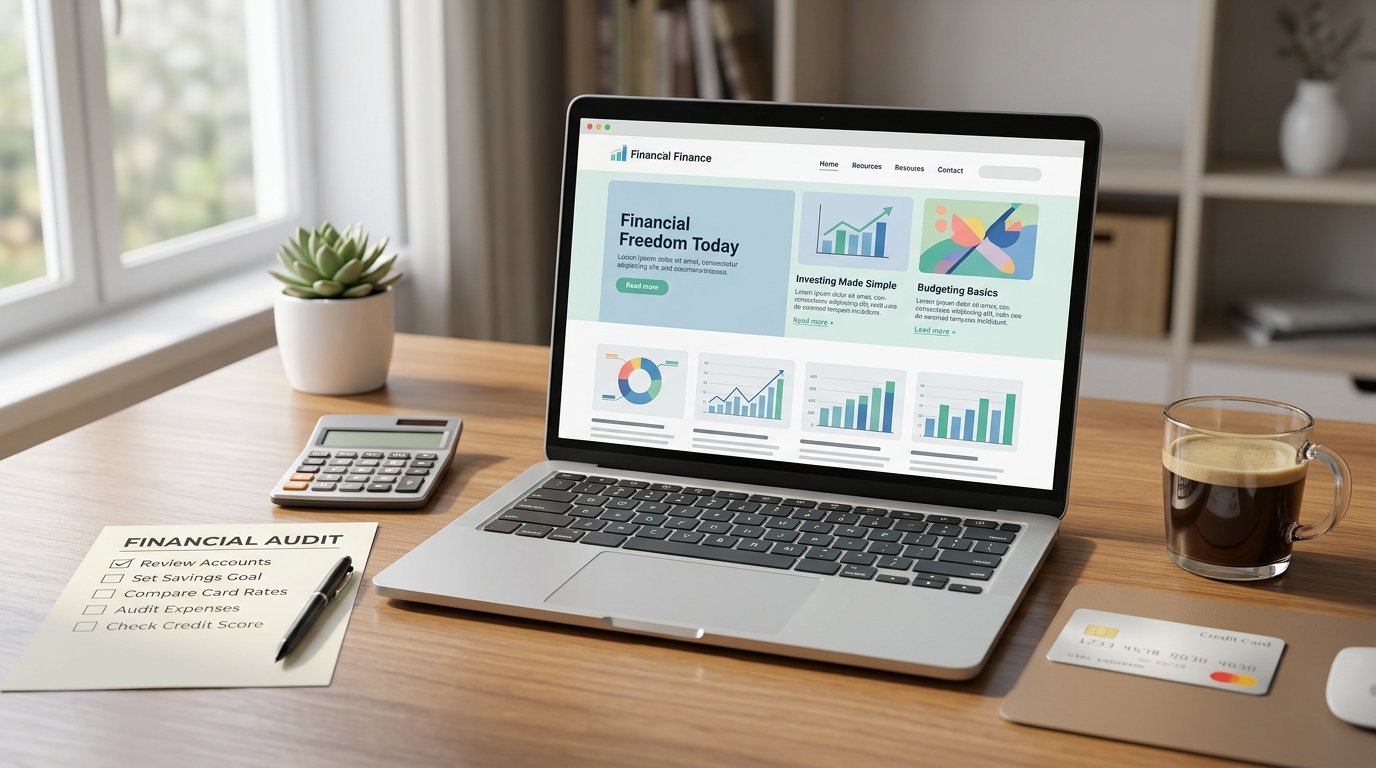
Image suggestion, place here: a simple checklist on a notepad next to a calculator and a credit card, shot in natural light.
Frequently Asked Questions
Conclusion
Pinoroduct com is a working blog focused on finance, with articles on forex, crypto, insurance, credit cards, and loans. It does not offer the catalog, comparison tools, or accounts that some searchers expect. The site also lacks the clear authorship, ownership details, and independent reviews that would make its advice easy to verify.
Read it for general background, then confirm anything important with official sources. Your financial decisions deserve checks that go beyond a single article.
Sources: