Almawadahit.com blog Running a small business means wearing ten hats before lunch. You’re the marketer, the bookkeeper, the customer service rep, and the person who still has to answer emails at nine at night. That’s exactly why so many owners are turning to AI tools that handle the repetitive stuff so there’s more time left for the work that actually grows the business.
According to the SBE Council’s Small Business Technology Use Survey from March 2026, which polled 517 owners of businesses with 2 to 99 employees, 82% of small business employers use at least one AI tool, Almawadahit.com blog with the typical business using five across its operations. That’s not a trend anymore. That’s just how business gets done now. coloradobiz
This guide walks through the best AI tools for small business owners in 2026, organized by what they actually help you accomplish, with honest notes on pricing, who each tool fits best, and where the hype doesn’t match reality.

Why Small Business Owners Are Finally Taking Almawadahit.com blog
Almawadahit.com blog, AI felt like something built for giant corporations with data science teams. That’s changed fast. Most tools on this list cost less than a streaming subscription and work right out of the box, no technical background required.
The payoff is showing up in real numbers too. Sixty-six percent of small businesses report revenue gains from AI, including 22% that saw gains above 10%, according to the same SBE Council survey. Almawadahit.com blog And owners aren’t backing off. Ninety three percent plan to keep investing in AI over the next year, with 62% expecting to spend even more. coloradobizcoloradobiz
On the cost side, most individual AI tools run somewhere between $15 and $50 a month. With the average small business running about five tools, total monthly spend typically lands between $75 and $250. That’s a manageable line item for most budgets, especially when it’s replacing hours of manual work.
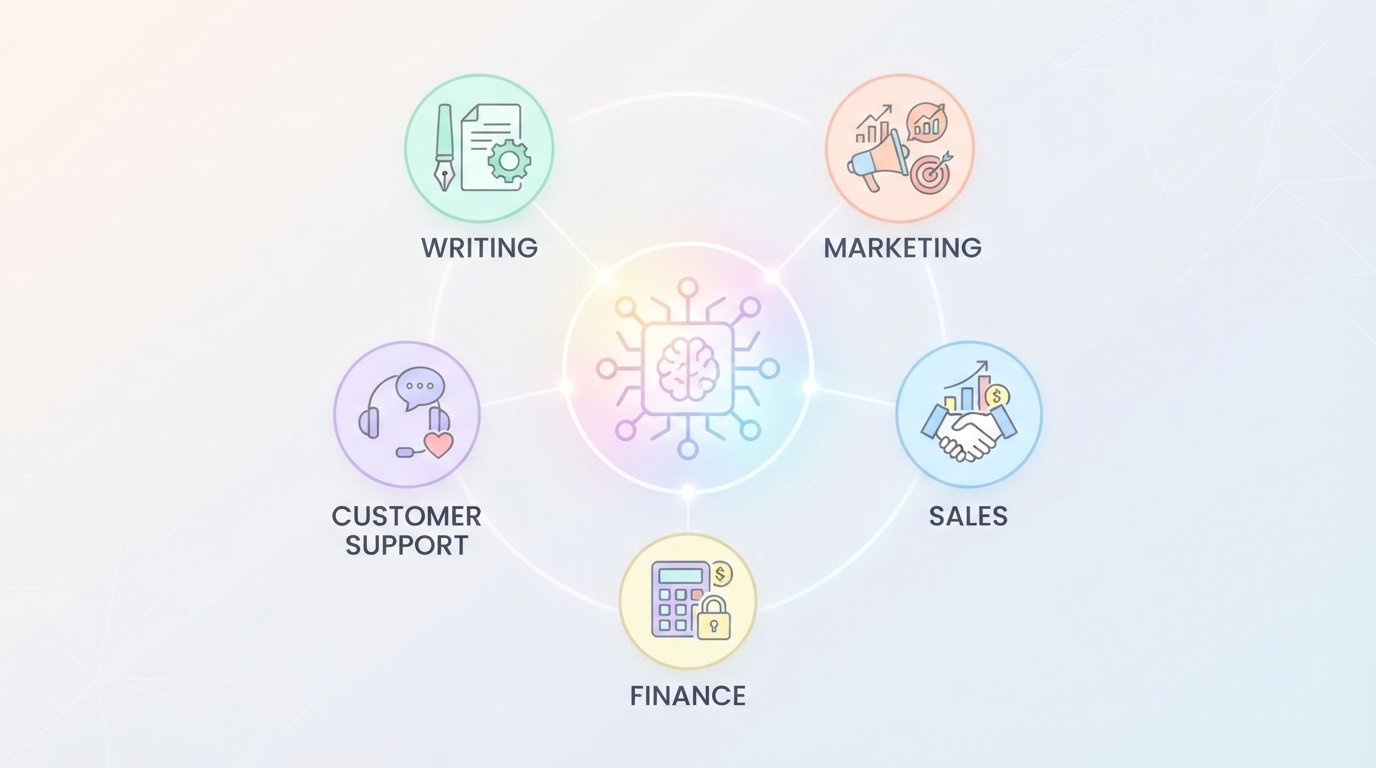
[Suggested image placement: insert the featured image here, right after this section, showing a small business owner working comfortably with AI tools on a laptop.]
The Almawadahit.com blog for Writing and Daily Business Tasks
ChatGPT
ChatGPT remains the most widely used AI tool among small business owners, and for good reason. It can draft a customer email, write a job posting, summarize a long contract, Almawadahit.com blog and brainstorm next quarter’s content calendar, all in the same conversation.
The real strength here is breadth. You’re not locked into one narrow use case. A plumber can use it to write service descriptions. A consultant can use it to outline a client proposal. Pricing starts free, with a paid plan typically around $20 a month for faster responses and more advanced features.
Claude
Claude is built with a similar everyday-assistant role in mind, but it tends to shine on longer documents and more nuanced writing, think client reports, detailed policies, or anything where tone matters. Many service businesses and agencies lean on it specifically for tasks that require careful, accurate language rather than quick drafts.
The Almawadahit.com blog for Marketing and Content
Marketing is consistently the top Almawadahit.com blog use case among small businesses, and it’s easy to see why. Content creation used to eat hours every week.
Jasper AI
Almawadahit.com blog Jasper is built specifically for marketing teams and solo business owners who need consistent, on-brand content at volume. It’s particularly useful for businesses that publish regularly, like blog posts, ad copy, or product descriptions, since it can maintain a consistent voice across dozens of pieces.
Copy.ai
What makes Copy.ai stand out is speed. You can generate ten variations of a Facebook ad headline in under a minute, then simply pick the strongest one. For small businesses testing multiple ad angles on a tight budget, that speed translates directly into saved ad spend.
Canva AI
For businesses without a design team, looking professional online is half the battle. Canva’s AI features help generate social graphics, presentations, and marketing materials in minutes rather than hours, which matters enormously for solo operators and small teams handling their own visual content.
The Almawadahit.com blog for Customer Support
Customer questions don’t stop coming just because it’s after hours. This is where AI support tools earn their keep fast.
Tidio
Almawadahit.com blog and Tidio are especially useful for small e-commerce businesses fielding the same handful of questions over and over, like, “Where’s my order? What’s your return policy, do you ship internationally?” Its pay-per-resolution pricing model means you’re only charged when the tool actually resolves a customer’s issue, which keeps costs predictable.
According to industry data, 51% of small business owners have now integrated AI into some part of their customer service operations, making it one of the fastest-growing categories.
The Best AI Tools for Sales and Customer Relationships
HubSpot AI CRM
HubSpot’s advantage for small businesses is that its AI features live inside a tool you’d want anyway, a CRM that tracks contacts, deals, and every customer interaction in one place. Rather than bolting AI onto your existing sales process, it’s already built into the system you’re using to manage leads.
The Almawadahit.com blog, Finance and Bookkeeping
QuickBooks AI
Almawadahit.com blog For small businesses handling their own bookkeeping, QuickBooks’ AI features can remove three to five hours of manual work each week by automatically categorizing expenses and flagging anomalies. An Intuit survey found that 74% of small businesses using these AI features reported increased productivity as a direct result.
How to Choose the Right AI Tools for Your Business
With hundreds of options on the market, picking the right tools can feel overwhelming. A few practical filters help narrow things down.
Start with your biggest time drain. Don’t pick tools because they’re popular. Pick them because they solve the task eating the most hours out of your week.
Favor tools with free trials. Most modern AI platforms offer free plans or trial periods specifically so you can test real functionality before committing a monthly budget to it.
Look for tools that integrate with what you already use. A tool that plugs into your existing email, CRM, or accounting software will get used. One that requires switching your whole workflow usually won’t.
Resist the urge to sign up for everything. It’s easy to subscribe to ten tools and consistently use three. Most small businesses genuinely need three or four tools used well, not a dozen used halfway.
Common Mistakes Small Businesses Make With AI Tools
Treating AI as a one-time setup instead of a habit. The businesses seeing real returns use their tools consistently, not just when they remember to.
Choosing tools based on marketing budget rather than actual fit. Some of the most heavily advertised AI products aren’t necessarily the best match for a specific business’s workflow. It pays to read real user reviews, not just landing pages.
Skipping the learning curve entirely. Even simple tools work better once you spend thirty minutes learning their shortcuts and templates. A rushed first impression often leads owners to abandon a tool that would have saved them real time.
Ignoring data privacy settings. Before feeding customer information into any AI tool, check its data handling policies. This matters even more for businesses in regulated industries like healthcare or finance.
Overspending on tools that duplicate each other. It’s common to end up paying for two tools that do roughly the same job. A quarterly audit of what you’re actually using helps catch this early.
Frequently Asked Questions
Final Thoughts
Almawadahit.com blog the gap between businesses using AI well and businesses ignoring it is only going to widen from here. You don’t need a technical background or a big budget to get started. You need one tool that solves your biggest time drain, used consistently, for a few weeks before adding anything else.
Start small, pick based on your actual workflow rather than hype, and build from there. For a deeper look at how artificial intelligence works and where it’s headed, Wikipedia’s overview of artificial intelligence is a solid starting point for owners who want the bigger picture before diving into specific tools.